

Agricultural finance in Bangladesh is undergoing a structural shift as banks move beyond traditional seasonal crop loans toward financing the broader agricultural value chain, including dairy, poultry, fisheries, mechanization, cold-chain logistics and agro-processing.
The transformation is being driven increasingly by digital financial services, alternative credit assessment and partnerships among banks, agribusinesses and technology platforms. These developments are reducing the cost of reaching rural borrowers while creating new opportunities for banks to finance entrepreneurs who have historically remained outside the formal credit system.
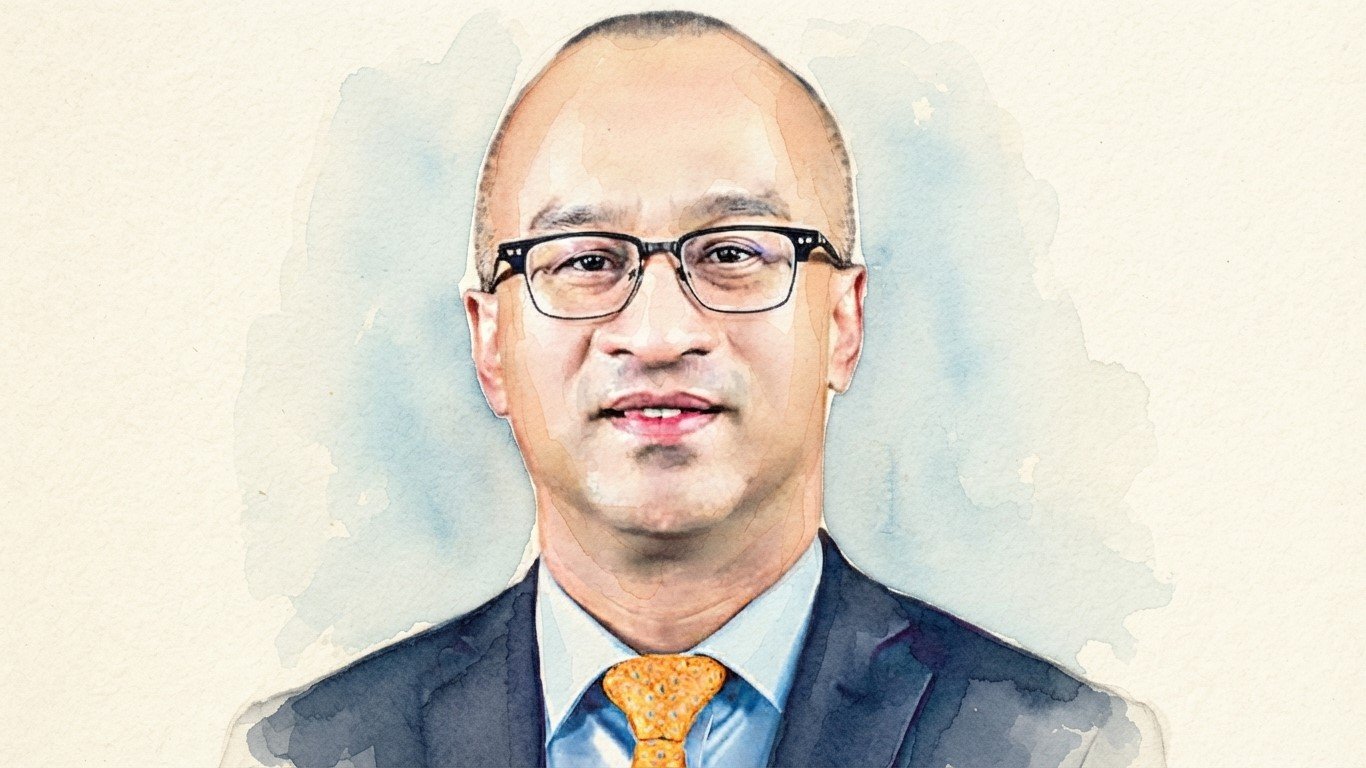
According to Mashrur Arefin, Managing Director and CEO of City Bank PLC, the future of agricultural finance will depend on how effectively financial institutions can combine digital infrastructure, reliable transaction data and ecosystem partnerships.
“Agricultural finance in Bangladesh has moved well beyond the traditional, seasonal crop loan,” Arefin said. He noted that institutional lending was once largely concentrated around staple crops, with repayment linked to harvest cycles. The financing landscape has since expanded to cover dairy, poultry, fisheries, horticulture, contract farming, cold-chain logistics and agro-processing.
He identified three major trends shaping the sector: digitisation of last-mile delivery through eKYC and agent banking, value-chain financing based on traceable transactions, and the integration of sustainability considerations into credit pricing and product development.
The changing structure of agriculture is also altering the financing requirements of borrowers. Smallholder farmers increasingly need longer-term financing to purchase machinery such as power tillers, shallow tube wells and milking machines, particularly as rural labour costs rise.
At the middle of the value chain, aggregators, feed mills and hatcheries require working capital that corresponds with their longer cash-conversion cycles. Contract poultry and dairy operators, cooperatives and agri-tech platforms are also seeking structured supply-chain financing rather than conventional loans.
This shift is prompting banks to design financing around the actual cash flows of agricultural businesses instead of relying primarily on traditional collateral and standard loan structures.
City Bank has been expanding its Small, Microfinance and Agent Banking networks to finance activities beyond crop production, including livestock, dairy, fisheries, agricultural mechanisation and post-harvest infrastructure.
One example is its digital dairy financing initiative involving Milk Vita and Agroshift. Under the model, Milk Vita connects the bank with registered dairy farmers, while Agroshift supports digital onboarding and utilisation tracking. Financing is then structured around actual milk collection cycles, creating a closer link between lending and the underlying business activity.
Similar approaches are being developed in fisheries and horticulture through partnerships with organisations such as iFarmer, WeGro and Syngenta.
The broader objective is to make agricultural lending more data-driven. Many small farmers remain outside formal banking because they lack conventional collateral, formal credit histories or land documents that lenders typically require. Their incomes are also seasonal, while reaching borrowers in remote char and haor areas can be expensive.
Mashrur Arefin argues that these constraints cannot be addressed simply by increasing lending volumes. Instead, banks need to change the way agricultural borrowers are evaluated and served.
Agent banking can reduce the cost of maintaining a physical presence in remote areas, while eKYC allows borrowers to complete onboarding through digital channels. Transaction records generated through cooperatives, agribusinesses and agri-tech platforms can also provide lenders with information about a borrower’s economic activity.
Such alternative data can help banks assess creditworthiness where traditional indicators such as salary records, land titles or extensive credit histories are unavailable. The approach, however, requires disciplined underwriting to ensure that greater access does not come at the expense of credit quality.
The growing use of digital platforms is therefore changing the economics of rural banking. Rather than depending exclusively on branches, financial institutions can build digital relationships with farmers and agricultural enterprises and use transaction data to monitor financing throughout the production and sales cycle.
Climate change is adding another layer of complexity. Agriculture remains exposed to extreme weather, changing rainfall patterns, floods, droughts and other environmental risks, while fluctuations in commodity prices can further affect farmers’ ability to repay loans.
Mashrur Arefin believes climate risk needs to be incorporated directly into agricultural credit assessment. City Bank is directing a growing portion of its financing toward sustainable agriculture and CMSMEs, with the portfolio running into thousands of crore taka. The bank is also a signatory to the Net-Zero Banking Alliance and aims to align its agricultural lending with broader net-zero objectives.
However, the expansion of sustainable agricultural finance also depends on risk-management instruments that remain underdeveloped. Affordable and scalable weather-indexed crop insurance, in particular, could help protect both farmers and lenders against climate-related shocks.
Women and young entrepreneurs represent another significant area of opportunity. Women engaged in agricultural businesses often face additional barriers in accessing formal finance, while younger agripreneurs are more likely to adopt digital platforms and technology-based business models.
City Bank’s City Alo proposition for women focuses on simpler documentation, direct lending and business literacy programmes. For younger agricultural entrepreneurs, financing for mechanisation and digital-platform-based businesses can provide entry points into formal financial services.
The next phase of agricultural finance will therefore depend not only on banks but also on the wider institutional ecosystem.
Mashrur Arefin identifies four areas where policy and institutional support could accelerate the transition. These include expanding Bangladesh Bank’s credit-guarantee and refinance schemes for mechanisation, women and fisheries; speeding up digital land records and movable-asset registries; developing public-private partnerships for affordable weather-indexed crop insurance; and building structured partnerships among banks, insurers and technology platforms.
The underlying shift is significant. Agricultural finance is increasingly being viewed not as a narrow obligation centred on crop loans, but as a commercial financing opportunity spanning an interconnected rural economy.
If digital identity, transaction data, risk-sharing mechanisms and value-chain partnerships can be developed at scale, banks could reach a much wider population of rural entrepreneurs while gaining better visibility into the businesses they finance.
For Bangladesh’s agricultural economy, that could mean access to finance becoming more closely linked with production, processing, distribution and technology. For banks, it could create a model in which responsible rural lending is supported by better data, lower delivery costs and more diversified sources of repayment.


